

13 November, 2026
What fieldwork really looks like across the north A personal reflection by Mathias Forss, Founder and President of GeoPool
When people hear “fieldwork” in mineral exploration, they often picture a geologist standing on an outcrop with a hammer. That image is not wrong, but it captures only a fraction of what our field personnel actually do. Looking back at this year’s work across the North, what strikes me most is not one spectacular assignment. It is the breadth of responsibilities, the ability to move between practical and analytical work, and the steady judgement required every day.
“Fieldwork is rarely one isolated task.”
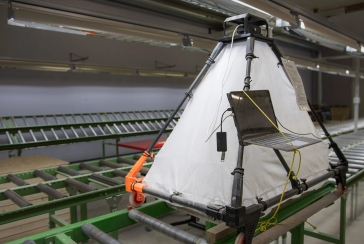
In the same week, a person may support a drilling campaign, log or relog core, plan sampling, check quality-control data, supervise core handling and prepare a report. Another may move from terrain mapping and geochemical sampling to stakeholder discussions, drill-site inspections or environmental follow-up. Fieldwork is rarely one isolated task. It is a chain in which every observation, sample, photograph and decision must remain reliable from the ground to the final interpretation.
Working where logistics set the pace
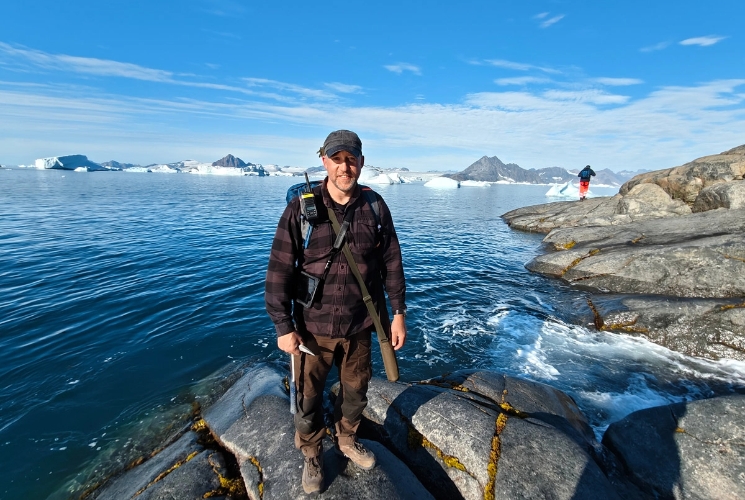
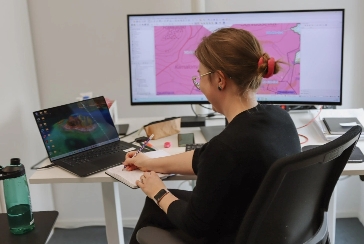
Remote exploration has made the practical realities of fieldwork especially visible. In Greenland, our team have worked alongside several drill rigs, supported camp-based operations and prepared geological work with digital tools such as QGIS and 3D modelling software. Even reaching the field base can depend on conditions. Once there, routines must work without the support network that is taken for granted closer to towns. Equipment, data, safety, sample flows, and communications all need to be planned in advance.
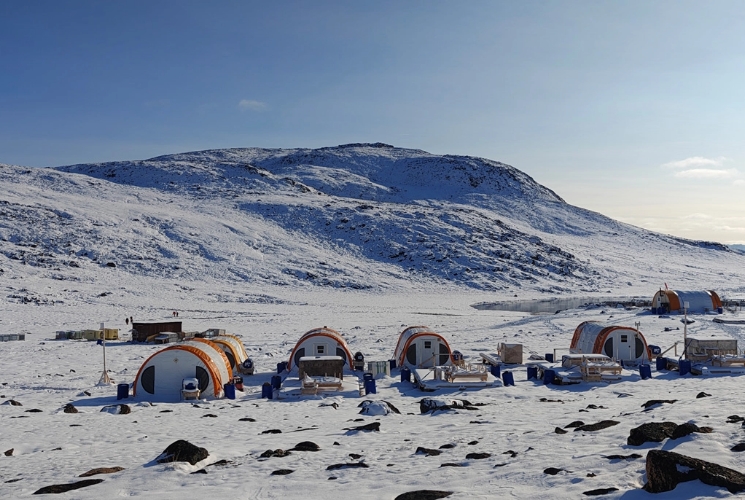
For me, this is a good example of how field competence combines geology with independence. Mapping, drilling support and digital interpretation matter, but so do adaptability and the discipline to keep the work systematic when weather and logistics set the timetable. Remote conditions make these demands especially visible, but the underlying capability is relevant throughout our work.
Building reliable datasets from various terrains
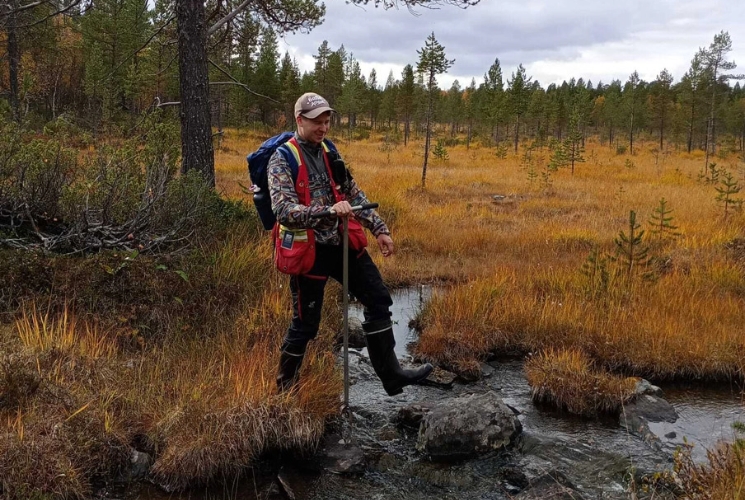
In Norway, our work has included large geochemical sampling campaigns. One team collected roughly a thousand soil samples, while another worked through hundreds of stream sediment locations. These assignments demand careful navigation, consistent sampling methods, accurate documentation and safe movement through changing terrain. They also show why apparently repetitive work is never merely routine. The value of the dataset depends on every single point being collected and recorded correctly and consistently.
Stream sediment sampling and follow-up reporting have added another layer. The field visit may be short, but planning, risk assessment, sample control, data validation and reporting extend the assignment well beyond the days spent outdoors. The visible field phase is only one part of a longer process.
Following exploration from drilling to close-out
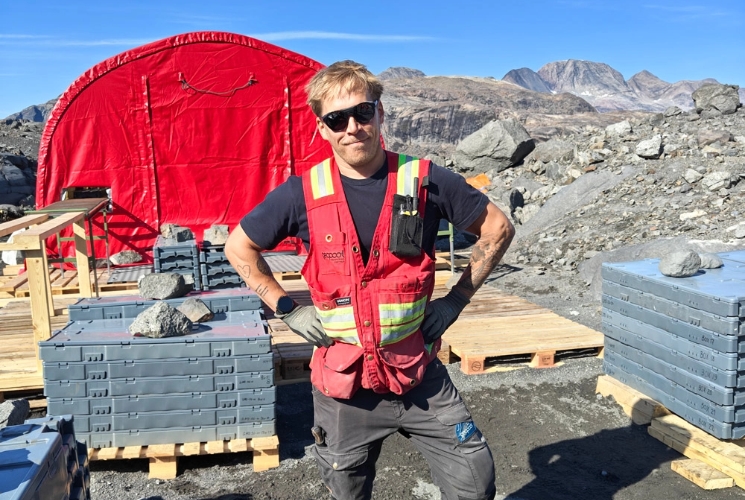
In Sweden, field personnel have supported active drilling programmes, kept pace with core production, logged long intervals and applied geotechnical procedures. They have also cleared backlogs, carried out till sampling, completed mapping assignments and revisited legacy core. At the other end of the project cycle, our teams have prepared work plans and reports, cleaned up sites and completed final inspections after the drill rigs departed.
“A drilling programme is not finished when the final metre is drilled.”
I find that last part particularly important. A drilling programme is not finished when the final metre is drilled. The sites still need to be checked, commitments followed up, and the information turned into something others can use. Good fieldwork includes a responsible ending.
Connecting the field, the core shed and the community
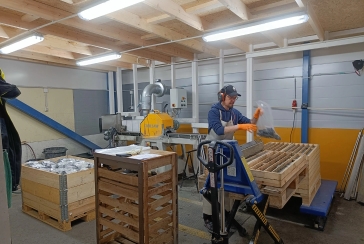
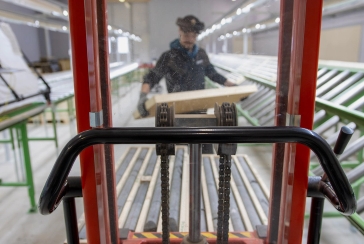
In Finland, several assignments give a particularly clear picture of how many functions meet around field operations. Our teams have planned and supported drilling, logged and relogged kilometres of core, taken and prepared samples, carried out XRF measurements and QAQC work, and contributed to geological modelling and resource-related studies. They have photographed core, measured density, sawn and packed samples, coordinated laboratory shipments and managed large volumes of material through the core facility. Together, these activities form a reliable path from field evidence to usable data.
Just as importantly, the work has extended beyond geology. Field personnel have taken part in landowner meetings, individual discussions and other stakeholder engagement. They have supported permitting, land use planning, environmental and water studies, coordinated with authorities and contractors, and helped identify practical risks such as pressurised groundwater before drilling. These are not side tasks. They are part of making exploration possible and maintaining trust.
Safety is part of the technical work.
Safety has been inseparable from delivery. The risks vary from slippery roads, soft routes and ice to isolated work, vehicle problems, radiation-related core handling, wildlife, ticks, heavy pallets, saws and other equipment. Our personnel have prepared risk assessments, used our in-house developed buddy system setup suitable to our industry for field work, carried out safety walks, reported observations and adjusted procedures when conditions changed. The setting may differ, but the professional standard must remain the same. This may not be the most visible part of exploration, but it is one of the clearest signs of professionalism.
A broader field offering
During the year, permanent recruitments have added capacity in both field services and community and communications work. For me, that matters because it expands what we can take responsibility for, from collecting geological information to supporting the practical, environmental, social and human processes around it. Our development has also been geographical. Assignments in Finland, Sweden and Norway have been complemented by work in Greenland, extending our field capability into demanding remote settings. At the same time, learning continues internally through equipment training, short geological presentations and the exchange of experience between projects.
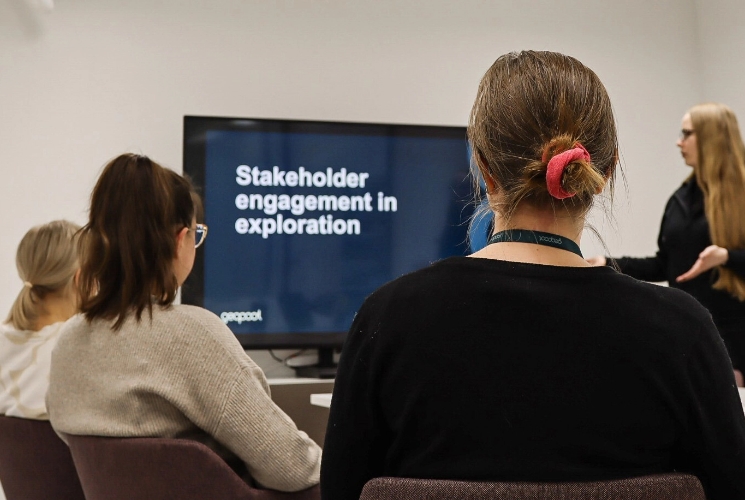
I believe a broader field offering therefore means more than a longer list of services or a wider geographical reach. It means being able to combine different types of fieldwork without treating any one capability as belonging to only one place. Experience moves between assignments. Lessons from camp logistics can improve planning elsewhere, sampling discipline strengthens core workflows, and stakeholder experience can shape how new field programmes are prepared. The skills travel with our people and are combined according to each project’s needs.
What stays with me
That is what I want people to see when they think about our fieldwork. It is not simply extra hands for a campaign. It is about connecting plans with terrain, drill core with data, samples with decisions, and projects with the people and places around them. It is also about addressing landowner questions, maintaining constructive dialogue and coordinating closely with the client and other contractors involved in the project. The variety of this year’s work makes me proud. It also shows how much mineral exploration depends on people who can move confidently between disciplines, countries and project phases while never losing sight of the details.
Personally, I keep coming back to the trust that fieldwork requires. We trust people to make sound decisions far from the office, notice what does not fit, speak up when conditions change, and treat every sample and every commitment with care. Much of that work will never be visible from the outside. Yet it is precisely this quiet combination of responsibility, curiosity and practical judgement that turns separate assignments into lasting capability. Watching that capability grow has been one of the most rewarding parts of my own work. I am deeply grateful to our personnel for the professionalism, flexibility and commitment they have shown throughout the year. As the winter season begins, we now turn our attention to the work ahead: the assignments that continue through the colder months and the field programmes already taking shape for next year. What challenges and opportunities are taking shape in your projects for the next field season, and how can our experience help you meet them?

Founder and President of GeoPool